




24. WJFF: UPADEK
Dokumentalny | 78 min
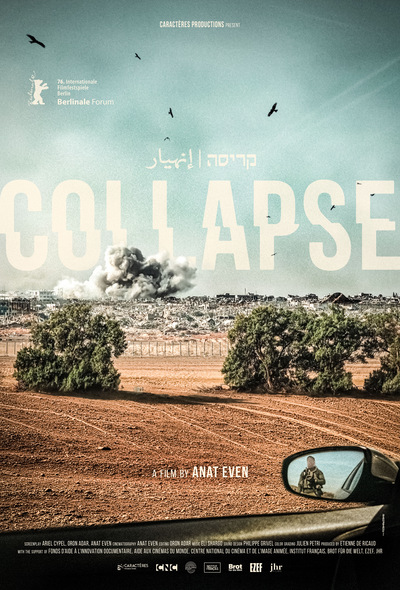
Głośny filmowy esej, którego premiera odbyła się na tegorocznym Berlinale. Wkrótce po 7 października 2023 reżyserka Anat Even wróciła w rodzinne strony - do wypalonych ruin kibucu Nir Oz. Przez kolejne 2 lata jej kamera rejestrowała codzienność na zapleczu wojny w nieodległej Gazie - czołgi przemieszane z kombajnami na polach, a w tle odgłosy bombardowania i dymy po wybuchach. Zdewastowana okolica zamienia się w poligon i jednocześnie obowiązkowy punkt wycieczek, którym gwarantuje się mocne wrażenia. Jedni przyjeżdżają upamiętnić ofiary terrorystów, inni popatrzeć, jak postępuje ścieranie Gazy z powierzchni ziemi.
Apokaliptycznym obrazom towarzyszą rozważania zza kadru nad stosunkiem Izraelczyków do destrukcji palestyńskiej enklawy. W cytowanych fragmentach listów paryski przyjaciel i współpracownik, Ariel, zrywa kontakt, tłumacząc się względami etycznymi. Czy izraelska reżyserka ma prawo zabierać głos również w imieniu Palestyńczyków? “Upadek” to filmowa kronika przemocy, rejestrująca gniew, dehumanizację i bezsilność wobec wojny.
NAGRODY I FESTIWALE: NAGRODY I FESTIWALE: Berlinale 2026, CPH:DOX 2026, MDAG 2026
A powerful cinematic essay that premiered at this year's Berlinale. Shortly after October 7, 2023, director Anat Even returned to her home region—the burned ruins of the Nir Oz kibuch. Over the next two years, her camera recorded daily life on the fringes of the war in nearby Gaza: tanks mixed with harvesters in the fields, with the sounds of bombing and smoke from explosions in the background. The devastated area transforms into both a military testing ground and a mandatory tour stop guaranteed to provide strong thrills. Some arrive to commemorate the victims of terrorists, while others come to watch Gaza being wiped off the face of the earth. These apocalyptic images are accompanied by voiceover reflections on the Israeli attitude toward the destruction of the Palestinian enclave. In quoted fragments of letters, a Parisian friend and collaborator, Ariel, cuts off contact, citing ethical grounds. Does the Israeli director have the right to speak on behalf of Palestinians as well? Collapse is a cinematic chronicle of violence, registering anger, dehumanization, and powerlessness in the face of war.
czytaj więcej
Apokaliptycznym obrazom towarzyszą rozważania zza kadru nad stosunkiem Izraelczyków do destrukcji palestyńskiej enklawy. W cytowanych fragmentach listów paryski przyjaciel i współpracownik, Ariel, zrywa kontakt, tłumacząc się względami etycznymi. Czy izraelska reżyserka ma prawo zabierać głos również w imieniu Palestyńczyków? “Upadek” to filmowa kronika przemocy, rejestrująca gniew, dehumanizację i bezsilność wobec wojny.
NAGRODY I FESTIWALE: NAGRODY I FESTIWALE: Berlinale 2026, CPH:DOX 2026, MDAG 2026
A powerful cinematic essay that premiered at this year's Berlinale. Shortly after October 7, 2023, director Anat Even returned to her home region—the burned ruins of the Nir Oz kibuch. Over the next two years, her camera recorded daily life on the fringes of the war in nearby Gaza: tanks mixed with harvesters in the fields, with the sounds of bombing and smoke from explosions in the background. The devastated area transforms into both a military testing ground and a mandatory tour stop guaranteed to provide strong thrills. Some arrive to commemorate the victims of terrorists, while others come to watch Gaza being wiped off the face of the earth. These apocalyptic images are accompanied by voiceover reflections on the Israeli attitude toward the destruction of the Palestinian enclave. In quoted fragments of letters, a Parisian friend and collaborator, Ariel, cuts off contact, citing ethical grounds. Does the Israeli director have the right to speak on behalf of Palestinians as well? Collapse is a cinematic chronicle of violence, registering anger, dehumanization, and powerlessness in the face of war.
Głośny filmowy esej, którego premiera odbyła się na tegorocznym Berlinale. Wkrótce po 7 października 2023 reżyserka Anat Even wróciła w rodzinne strony - do wypalonych ruin kibucu Nir Oz. Przez kolejne 2 lata jej kamera rejestrowała codzienność na zapleczu wojny w nieodległej Gazie - czołgi przemieszane z kombajnami na polach, a w tle odgłosy bombardowania i dymy po wybuchach. Zdewastowana okolica zamienia się w poligon i jednocześnie obowiązkowy punkt wycieczek, którym gwarantuje się mocne wrażenia. Jedni przyjeżdżają upamiętnić ofiary terrorystów, inni popatrzeć, jak postępuje ścieranie Gazy z powierzchni ziemi.
Apokaliptycznym obrazom towarzyszą rozważania zza kadru nad stosunkiem Izraelczyków do destrukcji palestyńskiej enklawy. W cytowanych fragmentach listów paryski przyjaciel i współpracownik, Ariel, zrywa kontakt, tłumacząc się względami etycznymi. Czy izraelska reżyserka ma prawo zabierać głos również w imieniu Palestyńczyków? “Upadek” to filmowa kronika przemocy, rejestrująca gniew, dehumanizację i bezsilność wobec wojny.
NAGRODY I FESTIWALE: NAGRODY I FESTIWALE: Berlinale 2026, CPH:DOX 2026, MDAG 2026
A powerful cinematic essay that premiered at this year's Berlinale. Shortly after October 7, 2023, director Anat Even returned to her home region—the burned ruins of the Nir Oz kibuch. Over the next two years, her camera recorded daily life on the fringes of the war in nearby Gaza: tanks mixed with harvesters in the fields, with the sounds of bombing and smoke from explosions in the background. The devastated area transforms into both a military testing ground and a mandatory tour stop guaranteed to provide strong thrills. Some arrive to commemorate the victims of terrorists, while others come to watch Gaza being wiped off the face of the earth. These apocalyptic images are accompanied by voiceover reflections on the Israeli attitude toward the destruction of the Palestinian enclave. In quoted fragments of letters, a Parisian friend and collaborator, Ariel, cuts off contact, citing ethical grounds. Does the Israeli director have the right to speak on behalf of Palestinians as well? Collapse is a cinematic chronicle of violence, registering anger, dehumanization, and powerlessness in the face of war.
czytaj więcej
Apokaliptycznym obrazom towarzyszą rozważania zza kadru nad stosunkiem Izraelczyków do destrukcji palestyńskiej enklawy. W cytowanych fragmentach listów paryski przyjaciel i współpracownik, Ariel, zrywa kontakt, tłumacząc się względami etycznymi. Czy izraelska reżyserka ma prawo zabierać głos również w imieniu Palestyńczyków? “Upadek” to filmowa kronika przemocy, rejestrująca gniew, dehumanizację i bezsilność wobec wojny.
NAGRODY I FESTIWALE: NAGRODY I FESTIWALE: Berlinale 2026, CPH:DOX 2026, MDAG 2026
A powerful cinematic essay that premiered at this year's Berlinale. Shortly after October 7, 2023, director Anat Even returned to her home region—the burned ruins of the Nir Oz kibuch. Over the next two years, her camera recorded daily life on the fringes of the war in nearby Gaza: tanks mixed with harvesters in the fields, with the sounds of bombing and smoke from explosions in the background. The devastated area transforms into both a military testing ground and a mandatory tour stop guaranteed to provide strong thrills. Some arrive to commemorate the victims of terrorists, while others come to watch Gaza being wiped off the face of the earth. These apocalyptic images are accompanied by voiceover reflections on the Israeli attitude toward the destruction of the Palestinian enclave. In quoted fragments of letters, a Parisian friend and collaborator, Ariel, cuts off contact, citing ethical grounds. Does the Israeli director have the right to speak on behalf of Palestinians as well? Collapse is a cinematic chronicle of violence, registering anger, dehumanization, and powerlessness in the face of war.